Understanding the psychological effects of gambling on decision-making processes
The Nature of Gambling and Its Appeal
Gambling is a complex phenomenon that intertwines excitement, risk, and reward. At its core, it plays on human emotions, often providing an escape from daily routines. The allure of potentially winning large sums of money can trigger feelings of euphoria and adrenaline, which are powerful motivators for decision-making. Furthermore, exploring the best online poker sites can enhance this experience, as they often offer engaging platforms for players.

The anticipation involved in gambling, whether in a casino or through online platforms, activates certain areas of the brain associated with pleasure and reward. This activation can lead to impulsive decisions, as the immediate gratification of winning overshadows the rational evaluation of long-term consequences. Understanding this appeal is crucial for recognizing how it impacts decision-making processes in gamblers.
Cognitive biases significantly influence how individuals make decisions while gambling. One common bias is the illusion of control, where gamblers believe they can influence the outcome of games based on their skills or strategies. This false sense of control can lead to overconfidence and a higher frequency of risky bets, despite evidence suggesting that many games are predominantly chance-based.
Another key psychological trigger is the phenomenon of loss aversion, where individuals prefer to avoid losses rather than acquire equivalent gains. This can result in a cycle of chasing losses, where gamblers continue to bet in hopes of recovering their previous losses, further compounding poor decision-making. Recognizing these biases is essential in understanding the psychological landscape of gambling behavior.
Emotions play a central role in the decision-making processes of gamblers. The excitement of winning can lead to heightened emotional states, which may cloud judgment and drive further gambling. Conversely, feelings of frustration or disappointment from losses can result in rash decisions, as gamblers may seek to alleviate their emotional pain through additional bets.
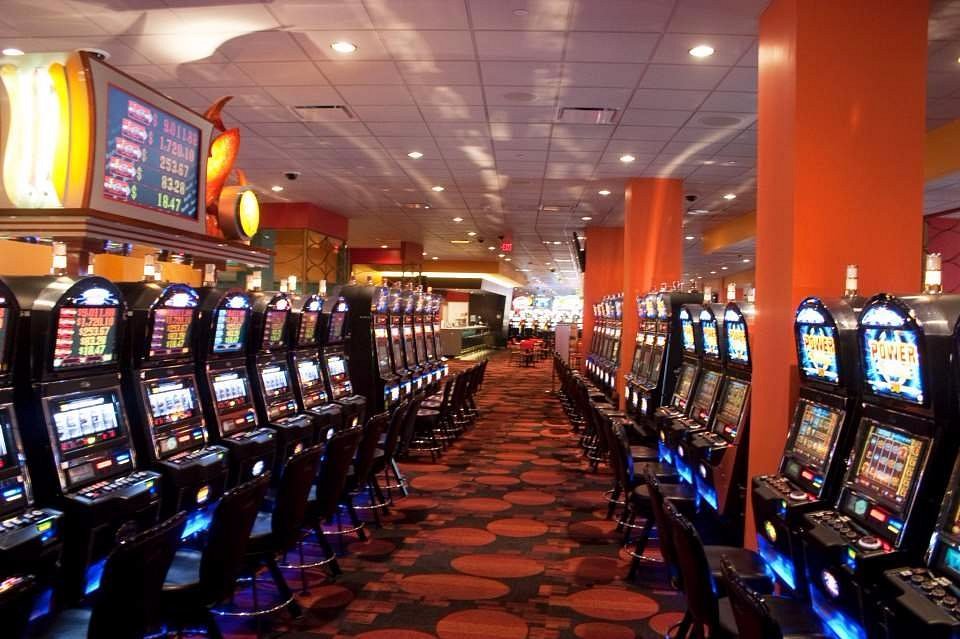
Moreover, the environment in which gambling takes place can amplify emotional responses. The sounds, lights, and atmosphere of casinos are designed to create excitement, enhancing the emotional stakes involved. This sensory stimulation can heighten impulsive decision-making, making it crucial to recognize the emotional dimensions at play during gambling experiences.
The psychological effects of gambling extend beyond the individual, impacting personal relationships and social dynamics. When gambling decisions lead to financial strain, the resulting stress can affect family members and friends. This strain may manifest in conflicts, eroded trust, and emotional distress, creating a ripple effect that influences decision-making on a broader scale.
Additionally, the isolation that sometimes accompanies problematic gambling can further skew decision-making processes. Individuals may withdraw from social interactions, relying solely on gambling as their source of excitement and fulfillment. This isolation can exacerbate poor decision-making, as the lack of external perspectives can leave individuals trapped in a cycle of harmful choices.

Understanding the psychological effects of gambling is essential for promoting safer gambling practices. It’s important for individuals to recognize their motivations for gambling and to approach it with a clear strategy and set limits. Educating oneself about the cognitive biases and emotional triggers involved in gambling can empower individuals to make more informed choices and minimize harmful behavior.
Moreover, resources for support and education are vital for those who may struggle with gambling. Communities can benefit from programs that raise awareness about responsible gambling practices and provide support for individuals and families affected by gambling-related issues. Prioritizing safety and education can lead to healthier decision-making processes and a more balanced approach to gambling.